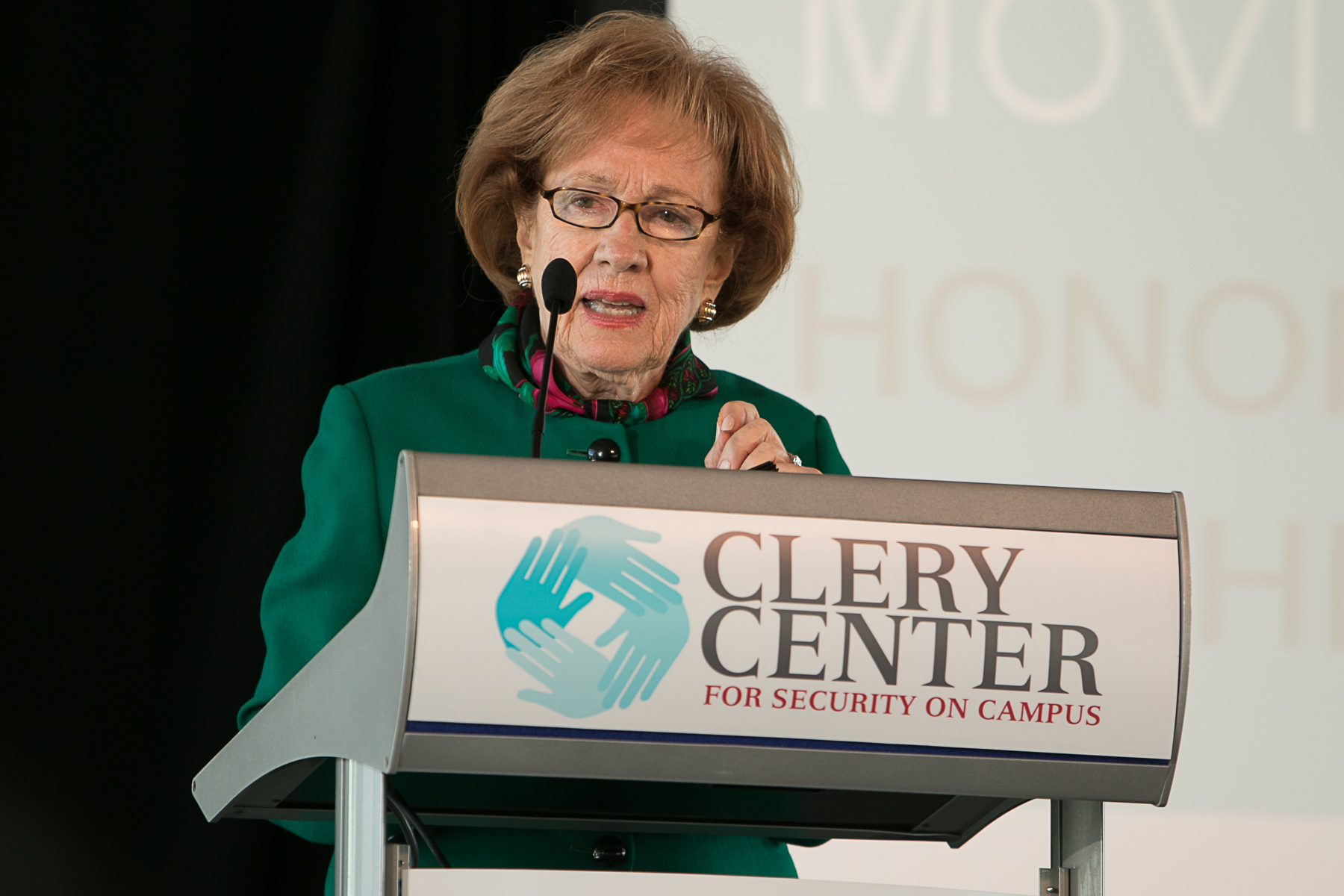
Washington, D.C. — Yesterday, Congresswoman Lucy McBath (GA-06) led the House introduction of the bipartisan and bicameral Reading Excellence and Achievement for Development (READ) Act, legislation which will address America’s literacy crisis using evidence-based reading instruction known as the Science of Reading. The legislation is co-led in the House by Representatives Erin Houchin (IN-09), Suzanne Bonamici (OR-01), Kevin Kiley (CA-03), Josh Harder (CA-09), and Burgess Owens (UT-04). Companion legislation in the Senate is led by Senate Health, Education, Labor, and Pensions Committee Chairman Bill Cassidy (R-LA) and Senators Maggie Hassan (D-NH), John Hickenlooper (D-CO), Mark Kelly (D-AZ), Jim Banks (R-IN), and Tim Scott (R-SC). Introduction of this legislation in the U.S. House of Representatives follows passage of the READ Act in the Senate Committee on Health, Education, Labor, and Pensions in an overwhelming vote of 20-2 last week.
According to the latest National Assessment of Educational Progress, 12th-grade reading scores dropped to the lowest average since the assessment was first completed in 1992. Millions of young people in America are leaving school without the ability to read proficiently, significantly impacting their readiness for college, a career, and civic life. It is estimated that low literacy rates in America cost taxpayers an estimated $224 billion annually and nearly $40 billion in lost productivity.
“One of my most treasured memories as a mother was instilling a love of reading in my son Jordan,” Congresswoman McBath said. “Tragically, far too many young people in America are graduating high school without basic literacy skills. The READ Act will affirm our country’s commitment to ensuring that all students can develop the skills needed for success beyond high school. I thank my colleagues for their collaboration on this essential bipartisan legislation.”
“Reading is the foundation of every child’s education, yet too many students are graduating without the basic literacy skills they need to succeed,” said Rep. Houchin. “We cannot accept a system that allows students to move from grade to grade without mastering the fundamentals of reading. The bipartisan READ Act gives educators the tools and training to implement the science of reading, helping ensure every student has the strong literacy foundation needed to thrive in school, the workforce, and throughout life.”
“Reading is foundational to learning, and strong literacy skills set the stage for lifelong success,” said Rep. Bonamici.“Students thrive with evidence-based instruction that helps them develop these core skills. This bipartisan bill will provide critical federal resources for educational practices aligned with the science of reading so students in our highest-need schools and districts have the support they need to succeed.”
“In California and all across the country, millions of students are falling behind when it comes to their ability to read proficiently,” said Rep. Kiley. “Our bipartisan legislation will help reverse this troubling trend through reforms including improved teacher training and early literacy tests that will assure more students gain the proficiency they need for success in school and life.”
“Washington used to believe that improving school was both important and possible, but after years of paralysis, our kids have been paying the price in lower reading scores and worse education outcomes,” said Rep. Harder. “The good news is that states have already proven that evidence-based reforms can reverse years of learning losses. The READ Act is a critical step towards reinvigorating federal leadership in education and accelerating solutions to our nationwide literacy crisis – we can’t let any more time go to waste.”
“When we teach our children to read, we give them the tools to think critically, and a child who can think critically can achieve whatever they set their mind to,” said Rep. Owens. “That’s why it’s so troubling to see literacy rates falling across our country. I’m proud to co-lead the READ Act, which invests in evidence-based literacy instruction and holds states accountable for results, while keeping decisions with parents and local schools where they belong.”
The READ Act will:
- Support state implementation of evidence-based reading practices grounded in the science of reading;
- Prioritize funding to the lowest-performing states;
- Improve teacher preparation and professional development;
- Expand early screening, intervention, and parental notification for students at risk of reading difficulties; and
- Strengthen literacy research.
The legislation is supported by the National Parents Union, the American Federation of Teachers, the National Association of Elementary School Principals, the National Association of School Psychologists, the Council of Administrators of Special Education, the National Center for Learning Disabilities, The Arc, Families in Schools, and Educators for Excellence. Complete text of the legislation is available here.